What's the Difference Between FlaxPod®, Ironsand, and Ebony?
Dark shades can transform a building, but not all dark colours are the same. FlaxPod®, Ironsand, and Ebony may all sit in the deeper end of the palette, but each brings its own character, mood, and design possibilities. Whether you are planning a home, bach, or commercial project, understanding the subtle differences between these colours can help you choose the right tone for your environment and style.
What colour is FlaxPod® ?
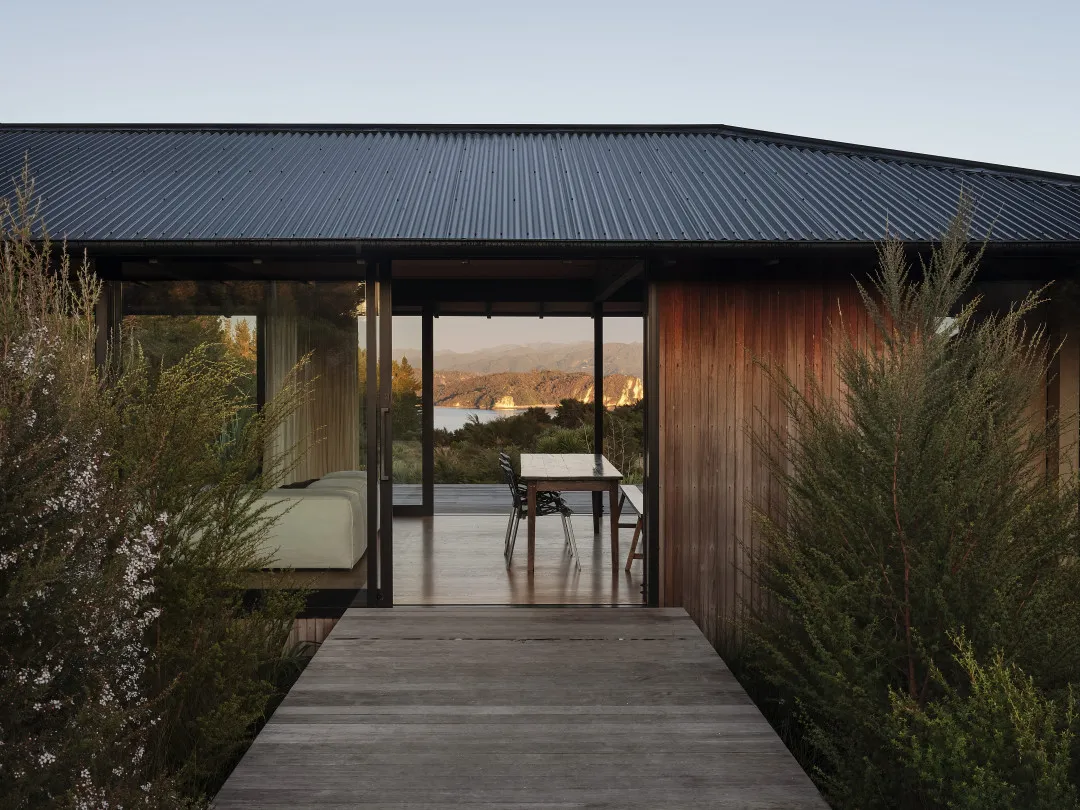
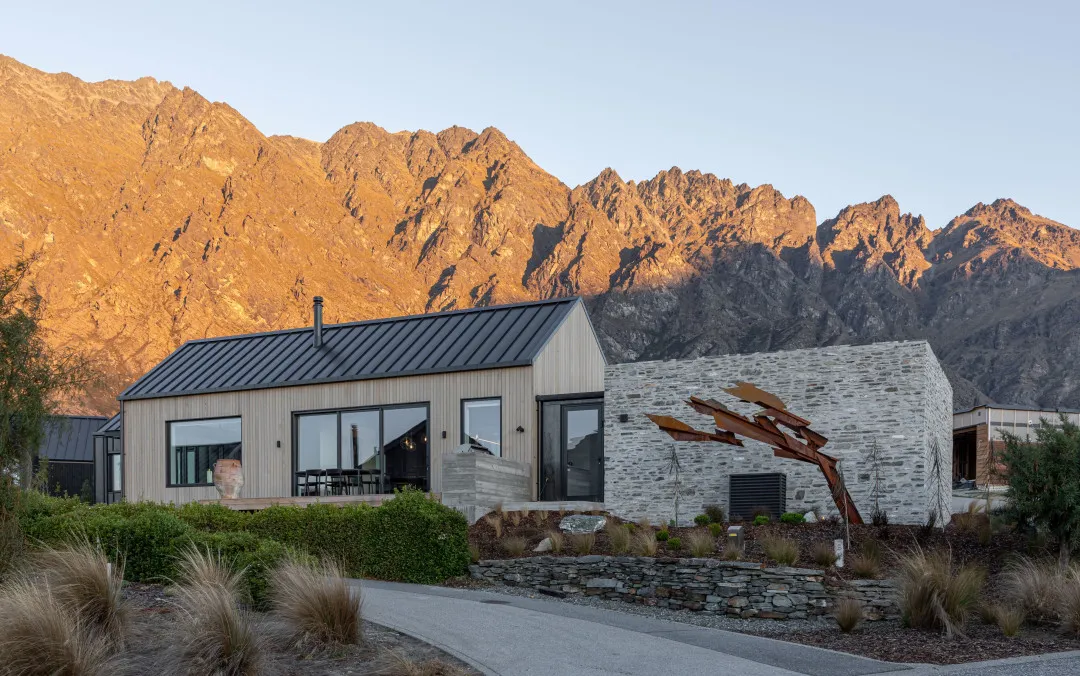
FlaxPod® is a deep, sophisticated dark tone within the COLORSTEEL® range, known for its warm charcoal character and understated natural feel. FlaxPod® sits comfortably in the space between black and brown, giving it a softened, earthy depth that works particularly well in New Zealand’s diverse architectural landscapes.
Its popularity comes from its versatility and ability to complement a wide range of building styles, from contemporary architectural homes through to more traditional or rural designs. In natural surroundings such as bush settings, coastal environments, or lifestyle blocks, FlaxPod® tends to blend in rather than dominate, which makes it a preferred choice for homeowners and designers seeking a more grounded, organic finish.
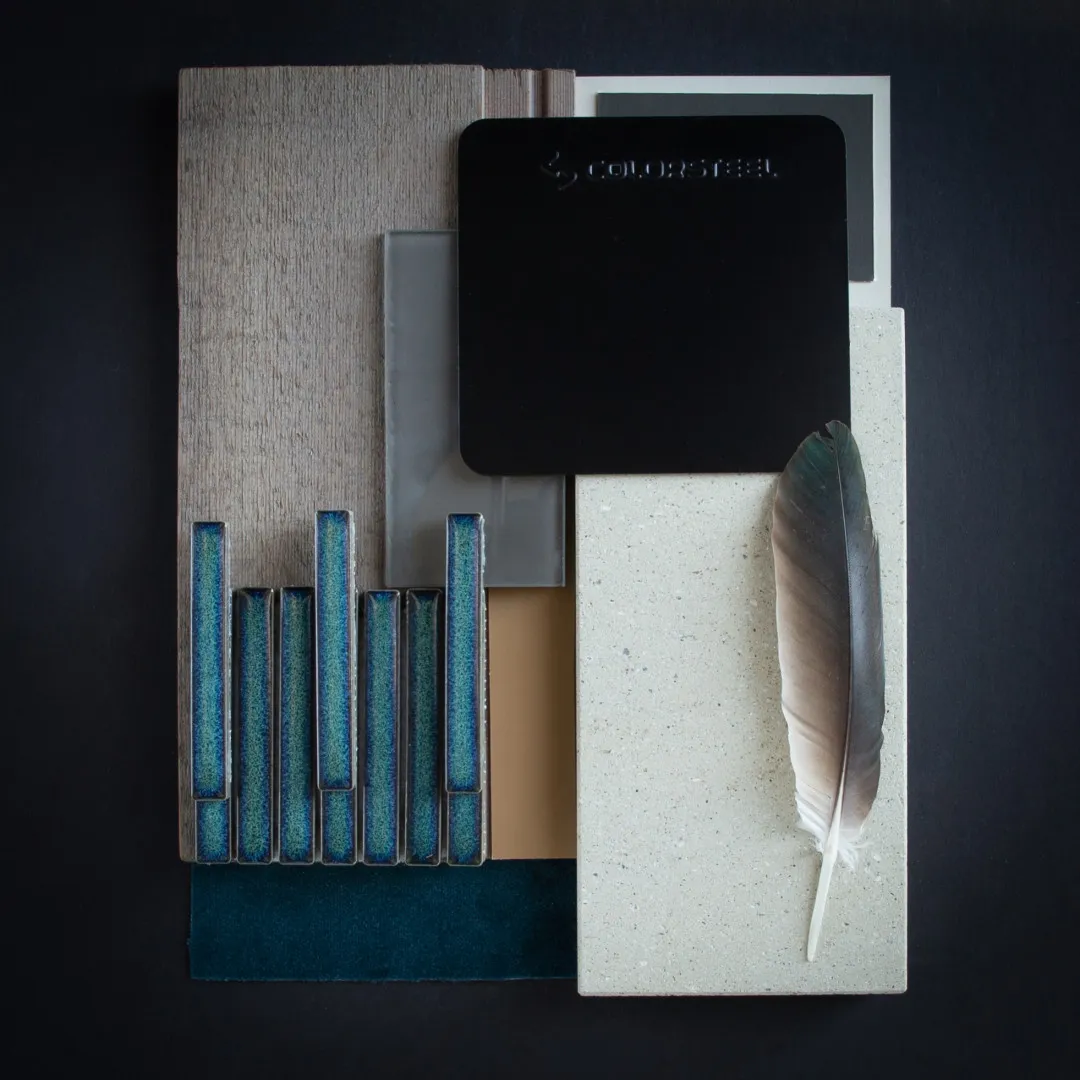
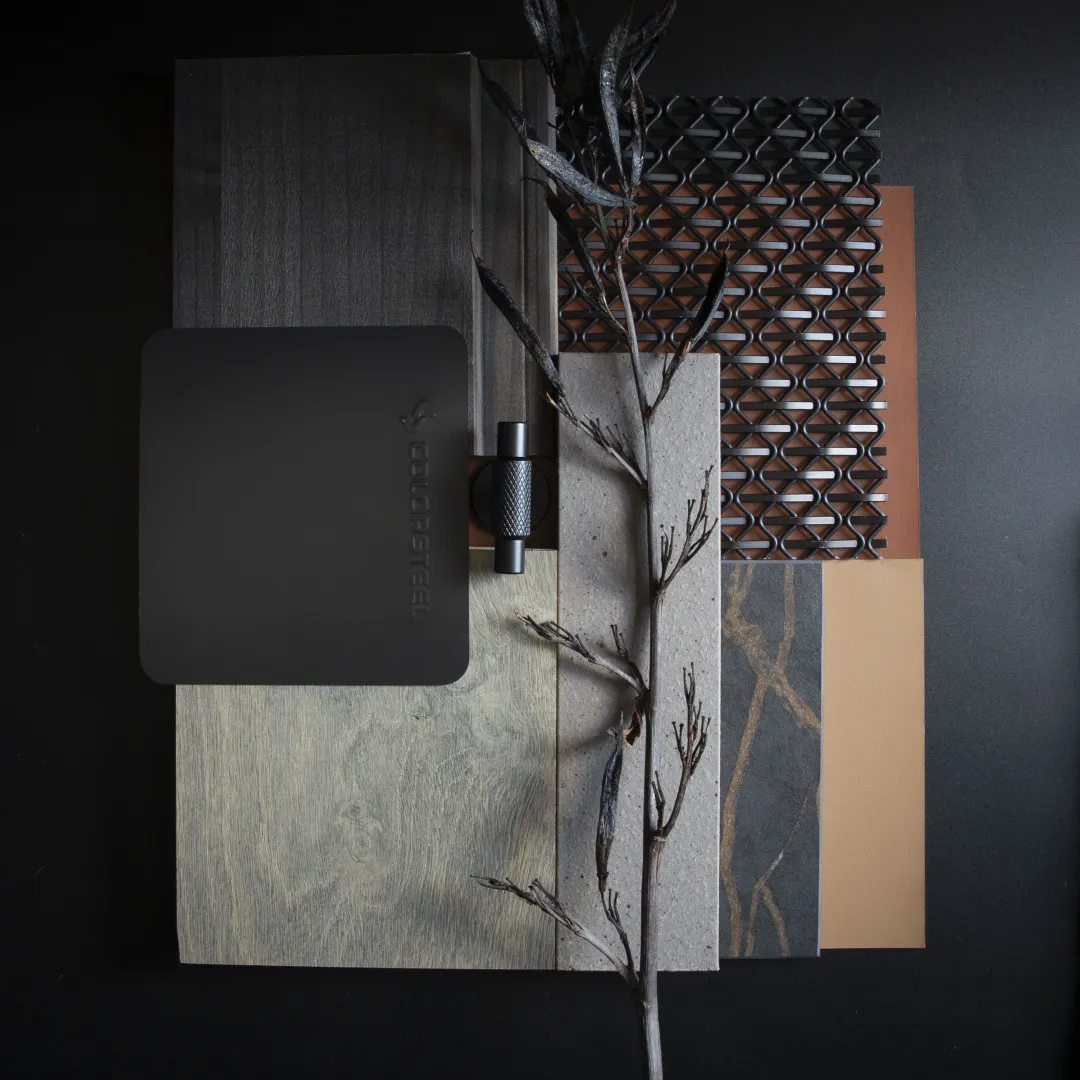
One of the key strengths of FlaxPod® is its flexibility across different design applications. It is commonly used on roofing, cladding, and fencing, and can be specified as either a subtle backdrop or a strong design feature depending on the surrounding materials. It pairs particularly well with timber, stone, concrete, and lighter neutral tones, helping to create balanced and visually cohesive exterior palettes.
FlaxPod® is available in Classic Gloss, Low Gloss, and a Matte finish. FlaxPod® Matte has become especially popular in modern architectural design, offering a soft, refined appearance that reduces reflectivity and enhances its natural, earthy quality. The Classic Gloss option provides a slightly more defined and traditional finish, while low gloss sits comfortably between the two, offering a balanced aesthetic that suits a wide range of projects.
What colour is Ironsand?
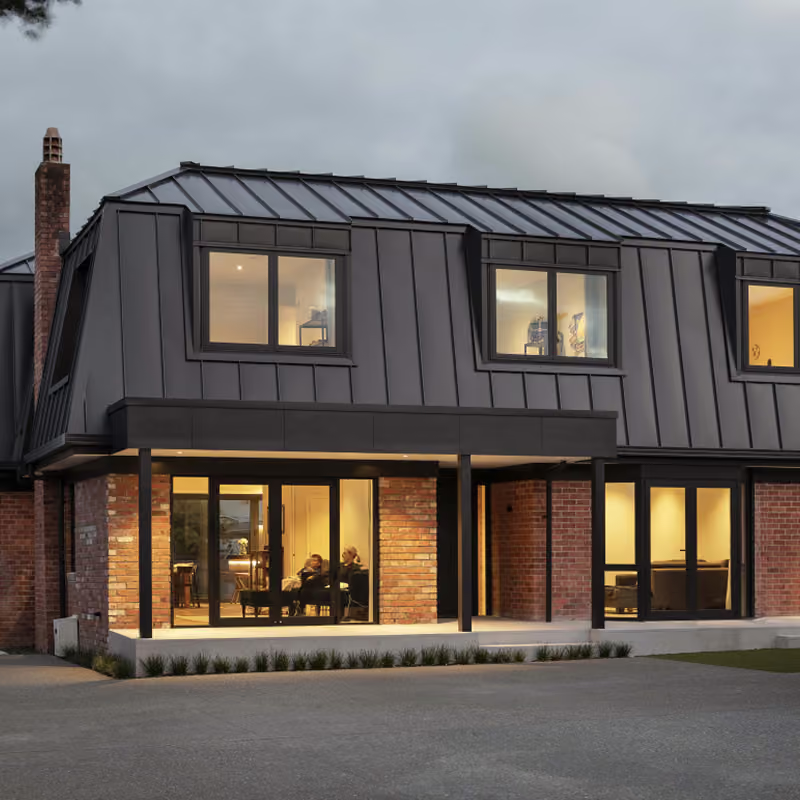
Ironsand is a deep, grounded tone within the COLORSTEEL® palette, characterised by its dark grey-brown appearance and strong, structured presence. Inspired by the rugged West Coast landscape, it reflects a sense of raw terrain and coastal geology, giving it a confident and enduring architectural identity.
Often chosen for its ability to hold visual weight within a design rather than recede into the background, Ironsand brings clarity and definition to building forms. This makes it well suited to both residential and larger-scale commercial projects where a more pronounced exterior finish is desired.
Widely used across homes, baches, and industrial buildings, particularly in environments shaped by coastline, native bush, and open landscapes, Ironsand provides strong contrast against its surroundings while still feeling connected to the setting. It also works effectively within broader exterior colour schemes, especially alongside cooler tones and bold accent colours, where it acts as a stable base that supports contrast and material variation.
Available in both standard gloss and low gloss finishes, Ironsand offers homeowners and specifiers flexibility across a wide range of architectural styles and design preferences. Overall, it is a confident and versatile colour choice that delivers strength, clarity, and consistency across diverse architectural applications.
What is Ebony?
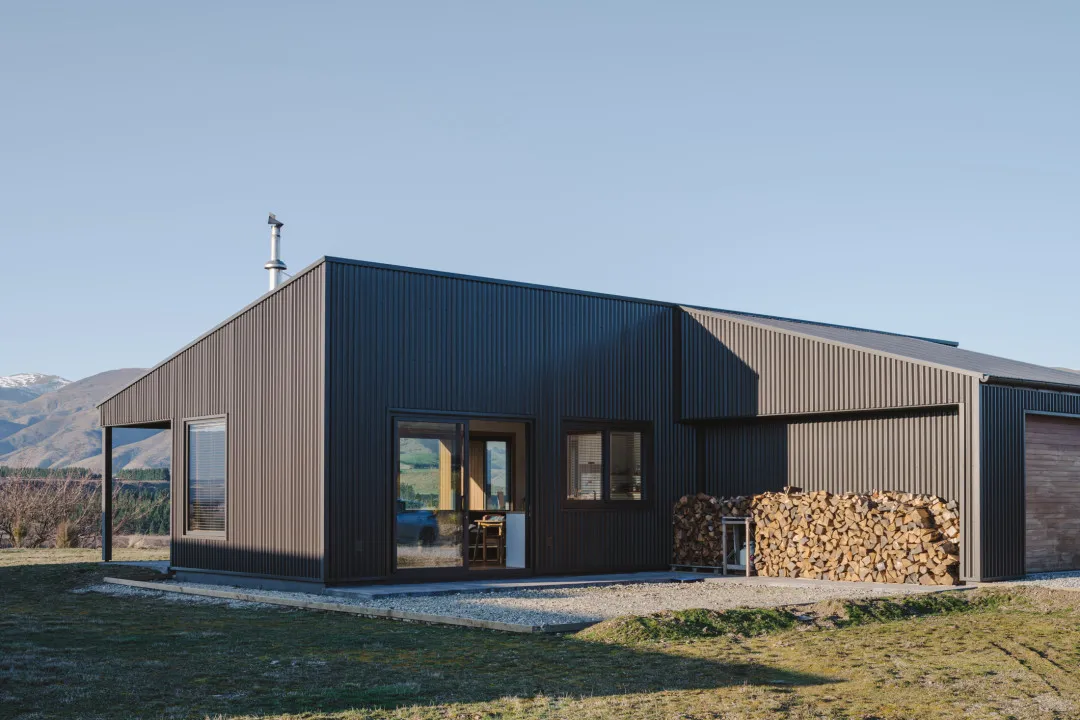
Ebony is the darkest shade in the COLORSTEEL® palette, offering a strong, deep colour choice suited to a wide range of design applications. It delivers a bold yet refined finish that works equally well across modern architectural projects and more traditional rural buildings.
Strong in both full light and shaded conditions, Ebony maintains its depth and presence across varying environments and lighting situations. This consistency makes it a reliable option where a uniform, dark appearance is desired throughout the day, regardless of exposure or orientation.
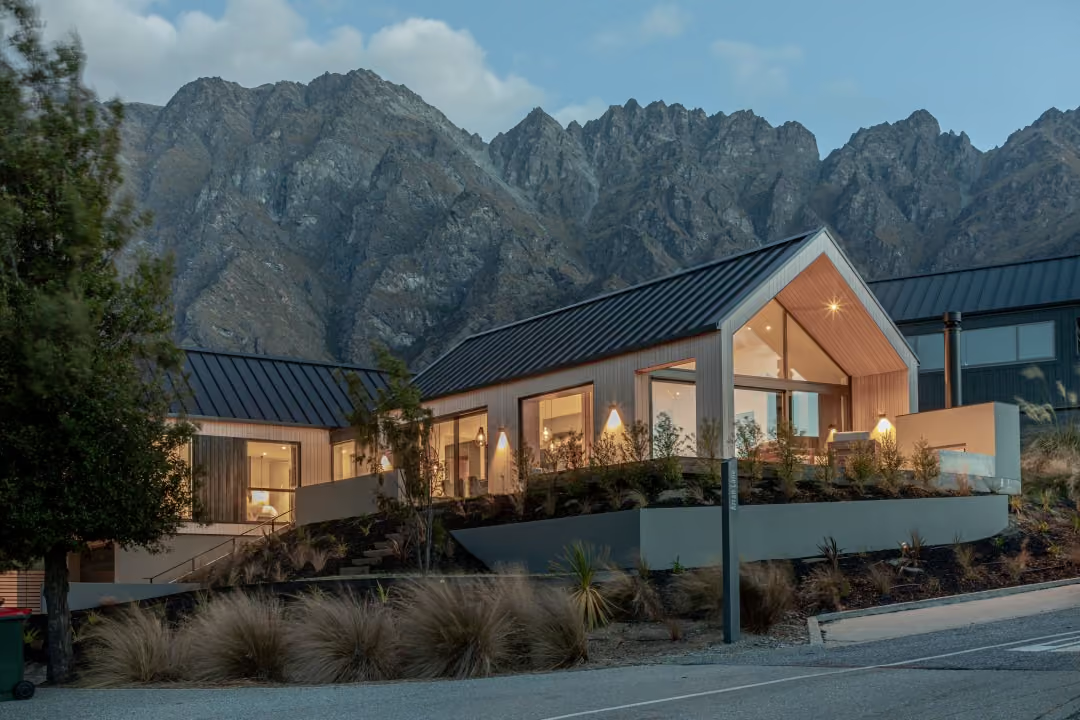
When paired with lighter tones such as cloud or titania, Ebony creates clear contrast that helps define architectural forms and highlight design details. It can be used as either a dominant exterior colour or a supporting feature colour, depending on the overall design approach. Its depth and simplicity also make it well suited to large surface areas such as roofing and cladding, as well as smaller detailing applications.
Popular across lifestyle homes, rural properties, and contemporary builds, Ebony is often chosen for projects seeking a strong, modern aesthetic. Available in both standard gloss and low gloss finishes, it offers flexibility across different design requirements, allowing for either a more traditional reflective look or a more muted, contemporary appearance.